


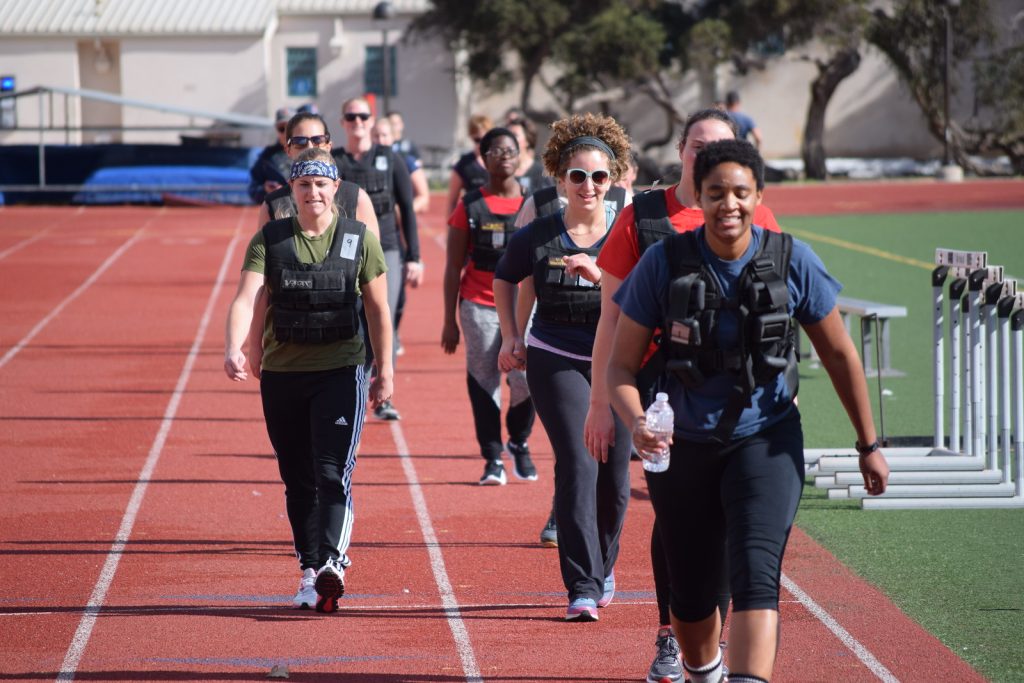
Ever wondered how to turn every bodyweight workout into a next-level challenge? A weighted vest is your secret weapon. Versatile, effective, and surprisingly beginner-friendly, these vests add load to running, strength training, calisthenics, hiking—and even daily chores. This guide walks you through everything you need to know before you buy, ensuring your purchase stays relevant for years.
What Is a Weighted Vest?
A weighted vest is a snug garment designed to hold extra mass—usually in the form of removable plates or pouches filled with sand, steel shot, or iron weights. By increasing your bodyweight during movement, you boost calorie burn, muscle engagement, and cardiovascular demand without needing barbells or machines.
Benefits of Using a Weighted Vest
- Increased strength and power output in bodyweight exercises
- Greater calorie expenditure and improved cardiovascular fitness
- Enhanced bone density and joint resilience under controlled load
- Improved running economy and endurance for hikers and runners
- Elevated core activation for better posture and stability
Key Factors to Consider Before You Buy
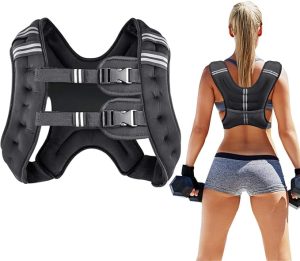

1. Weight Range & Increment Adjustability
Choose a vest that spans at least 10% to 20% of your bodyweight. Look for small weight increments (1–2 kg plates or 1 lb sand pockets) so you can progress gradually.
2. Fit & Comfort
- Adjustable straps on shoulders and torso ensure a snug, no-bounce fit.
- Padded shoulders and breathable mesh help prevent chafing and overheating.
- Profile thickness—slimmer vests sit closer to your body, ideal for running.
3. Material & Durability
Opt for rip-stop nylon or ballistic polyester shells. Reinforced stitching around weight pockets and heavy-duty zippers prolong lifespan, even under rigorous training.
4. Loading Style
- Plate vests use metal or plastic weight plates—precise and compact.
- Sandbags allow for ultra-fine weight adjustments but can shift if not secured.
- Granular shot offers a middle ground: fine tuning with minimal movement.
5. Mobility & Range of Motion
Check user photos or videos to see how the vest behaves during squats, push-ups, pull-ups, and dynamic drills. A good vest won’t restrict shoulder rotation or torso bend.
6. Price & Warranty
Expect to invest between £40 and £150 depending on weight capacity, materials, and brand reputation. A solid warranty (at least 1 year) reflects manufacturer confidence.
Types of Weighted Vests Explained
| Vest Style | Pros | Cons |
|---|---|---|
| Plate-Loaded Vests | Precise weight increments, low profile | Heavier plates can be bulky |
| Sandbag-Style Vests | Fine-tuning with 0.5 kg per pouch | Possible sloshing if overfilled |
| Hybrid Vests | Combines plates + sand for versatility | Generally more expensive |
| Rucking Vests | Extra back support and cargo capacity | Heavier base weight, less streamlined |
Matching Your Fitness Goals
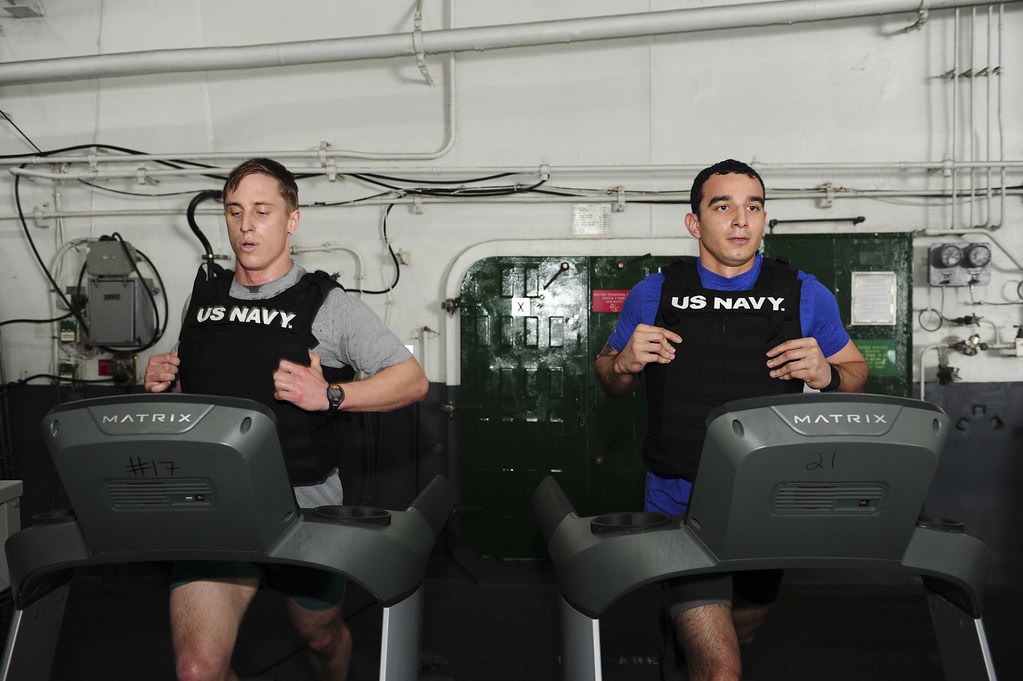
- Running & Trail Runs Choose a slim, breathable vest under 10% of bodyweight to maintain stride mechanics.
- Bodyweight & Calisthenics Plate-loaded vests work best—minimal shift and low profile let you nail pull-ups, push-ups, dips.
- Strength & CrossFit Hybrid vests with up to 20 kg capacity allow you to load heavy for squats, lunges, and AMRAP workouts.
- Hiking & Rucking Go for durable, water-resistant materials and wide shoulder straps for comfort on long treks.
Safety Tips & Best Practices
- Start light: Add no more than 5% of your bodyweight during the first week.
- Maintain perfect form: If technique breaks down, reduce weight immediately.
- Listen to your body: Joint pain or unusual strain signals a need to back off.
- Warm up thoroughly: Mobility drills prime muscles and joints for the extra load.
- Recuperate with care: Foam-roll, stretch, and prioritise sleep to aid recovery.
Maintenance and Care
- Wipe down after sweaty workouts with a damp cloth.
- Air-dry fully before storing to prevent mould or odours.
- Check seams, zippers, and panels monthly for wear.
- Store flat or hanging—never folded under heavy objects.
Frequently Asked Questions
- Can beginners use weighted vests? Absolutely. Start with 2–3 kg and progress slowly.
- Will a vest improve my running pace? Yes—light loading enhances leg strength and endurance.
- Are weighted vests safe for kids? Only under professional supervision and light loads (under 5% bodyweight).
Conclusion
A weighted vest is one of the most versatile, cost-effective tools you can add to your fitness arsenal. By selecting the right style, fit, and load for your goals—and following best-practice guidelines—you’ll supercharge every workout for months and years to come.
Still curious? Dive deeper with these guides:
- Top 10 Bodyweight Exercises to Upgrade with a Weighted Vest
- How to Incorporate a Weighted Vest into HIIT Workouts
- Comparing Adjustable Sand Vs. Plate-Loaded Vests: A Detailed Breakdown